

Why take this course
In this in-depth course, you'll learn how to model the Jinji Lake Pavilion by BIG Architects using Rhino and Grasshopper. This project perfectly demonstrates the power of computational and parametric design. This exercise walks you through every stage of the modeling process, from understanding the organic flow of catenary curves to building standardized, rationalized panels ready for fabrication.
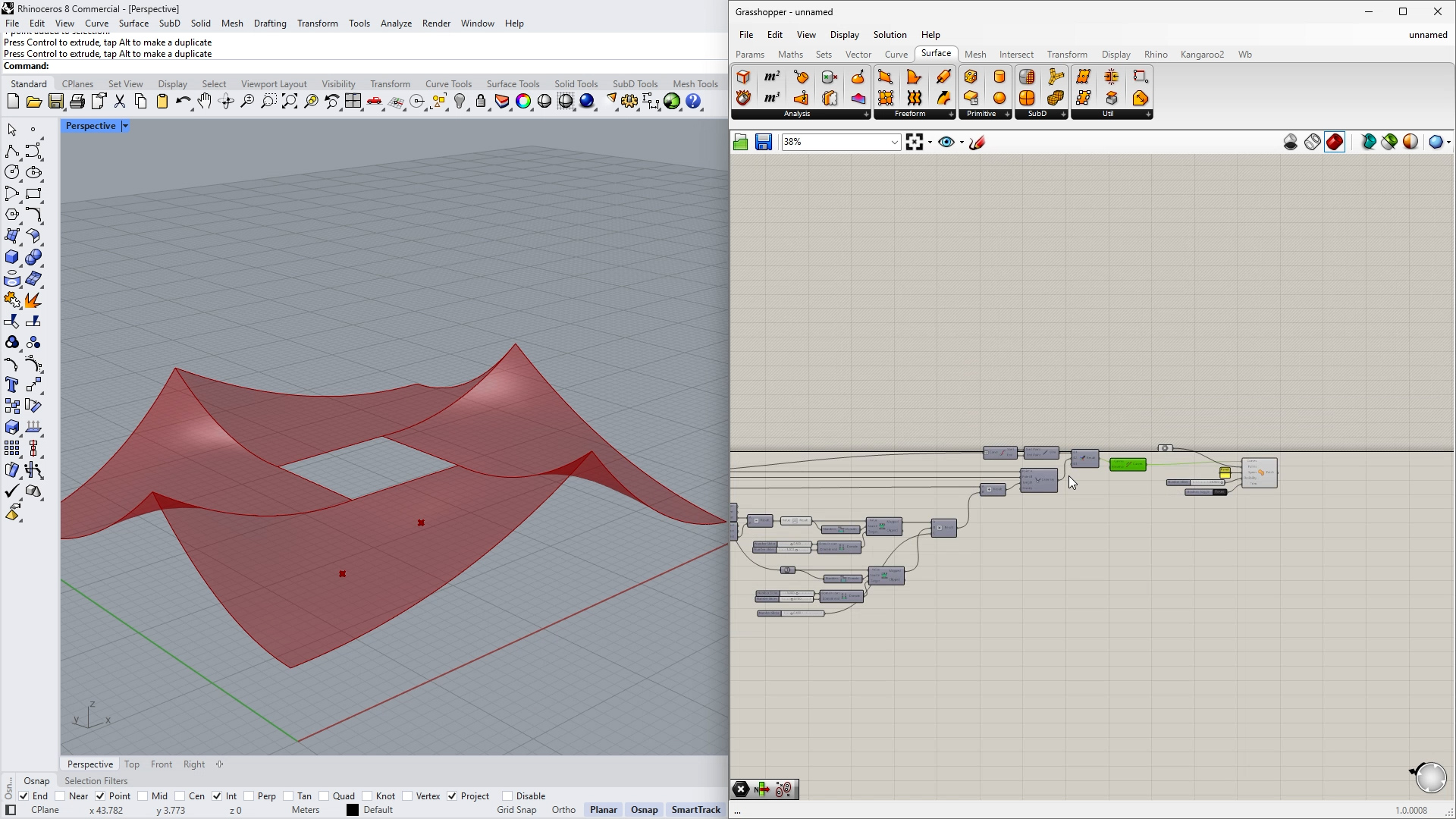
Why is this important? Because mastering architectural design using Rhino and Grasshopper equips you with a highly sought-after skill set. From conceptual modeling to detail-level optimization, the course shows how to streamline 3D modeling workflows and reduce the complexity of freeform architecture. These techniques play a crucial role in enabling architects and designers to work more efficiently and stay competitive in today's fast-paced design environment.
By the end of this tutorial, you'll have a strong foundation in creating complex surface geometries, panelizing double-curved forms, and optimizing them for real-world manufacturing constraints. You'll also gain insights into computational workflows that enable more design freedom without compromising constructability or control.
If you want to advance your skills in parametric design and computational thinking while modeling a cutting-edge architectural project, this course is the perfect place to start. Whether you're a student, architect, or creative professional, you'll leave this course ready to approach your next 3D modeling project with confidence and clarity.
Step-by-Step Parametric Design Tutorial of the Jinji Lake Pavilion
Learn how to 3D model BIG's Jinji Lake Pavilion from scratch using Rhino 3D and Grasshopper. You'll break down the roof's organic geometry, model it using catenary curves, and generate continuous surface outlines, all with a focus on computational efficiency and precision.
Panelization and Rationalization for Fabrication
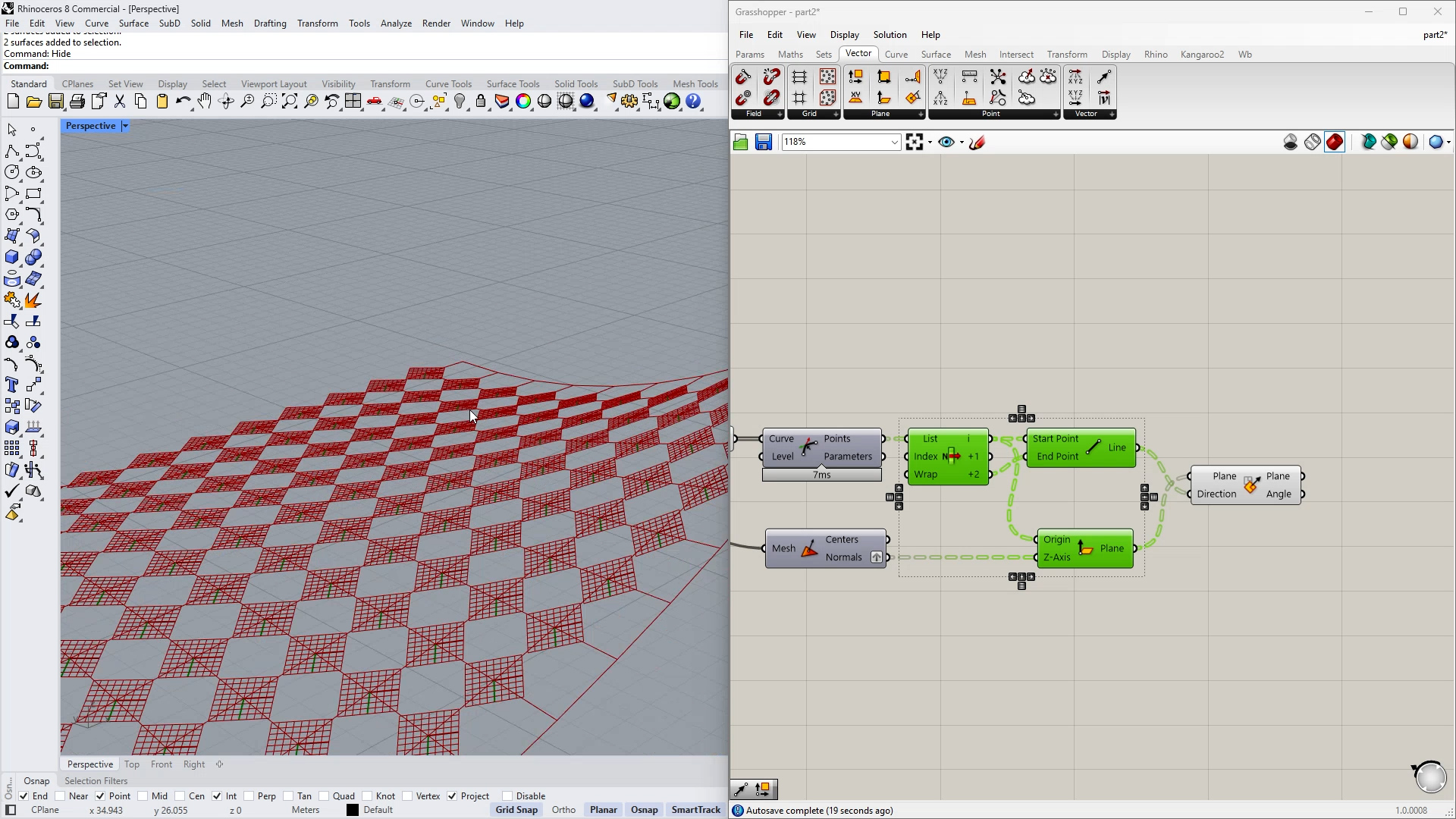
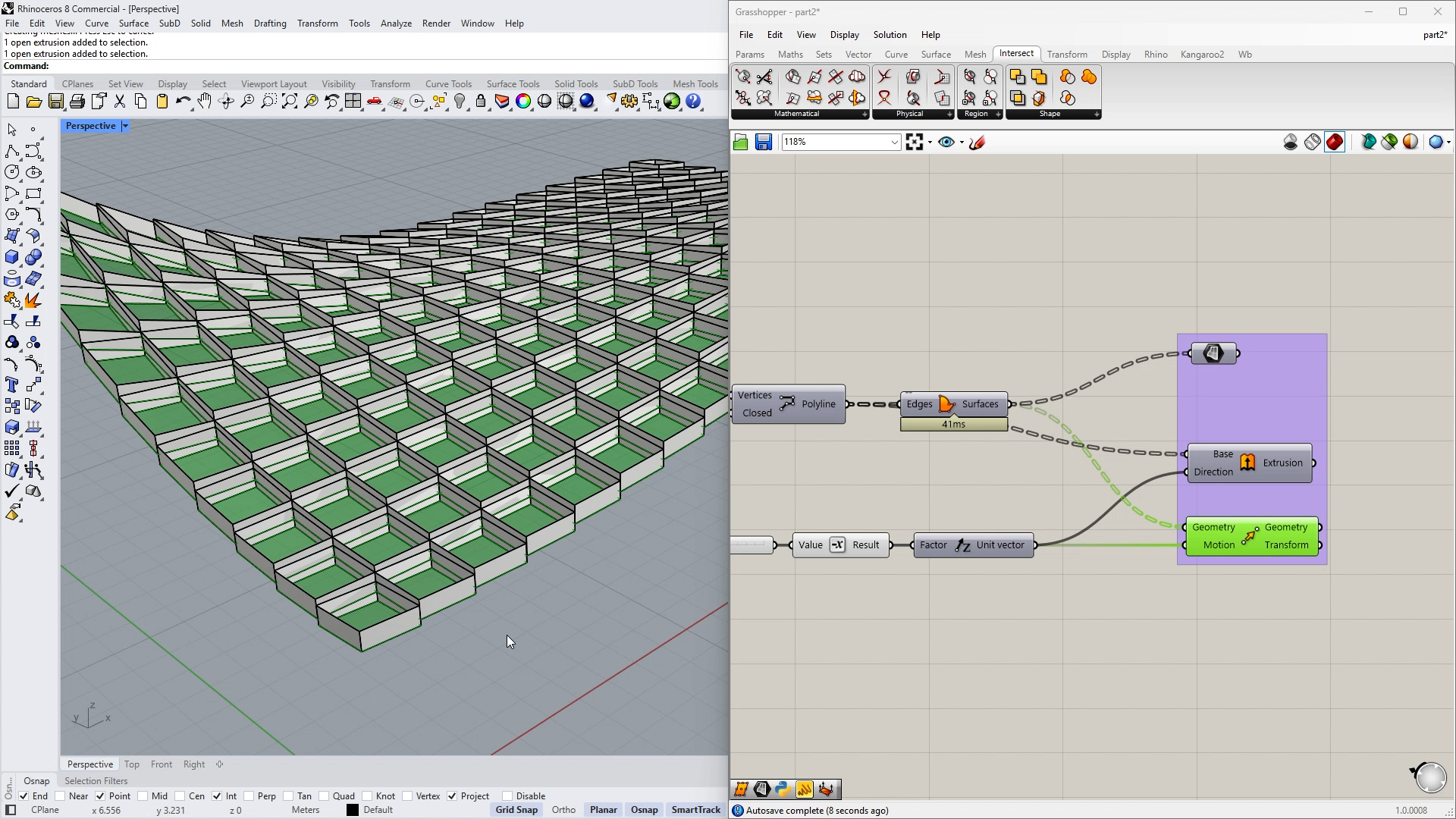
Dive into techniques for turning double-curved surfaces into flat, standardized panels. You'll use Grasshopper to create UV-consistent surface layouts, resolve panel orientation issues, and prepare geometry that's CNC- or laser-ready. These are key steps in architectural design using Rhino and Grasshopper.
Dynamic Modeling with Python and Custom Components
Explore how to manage surface topology and panel behavior using Python scripting within Grasshopper. You'll gain granular control over geometry projection, flat panel creation, and staggered facade logic, equipping you with tools to automate and streamline your parametric design process.
Build Real Projects Using Computational Design Workflows
This course takes a hands-on, project-based approach that guides you to think like a computational designer while modeling a real architectural project. From drawing control geometry to manipulating data structures and rationalizing complex forms, you'll come away with a powerful parametric design toolkit ready to apply in your own architecture projects.
1.- Analyzing the Project
03min 02seg2.- Creating the Roof Shape
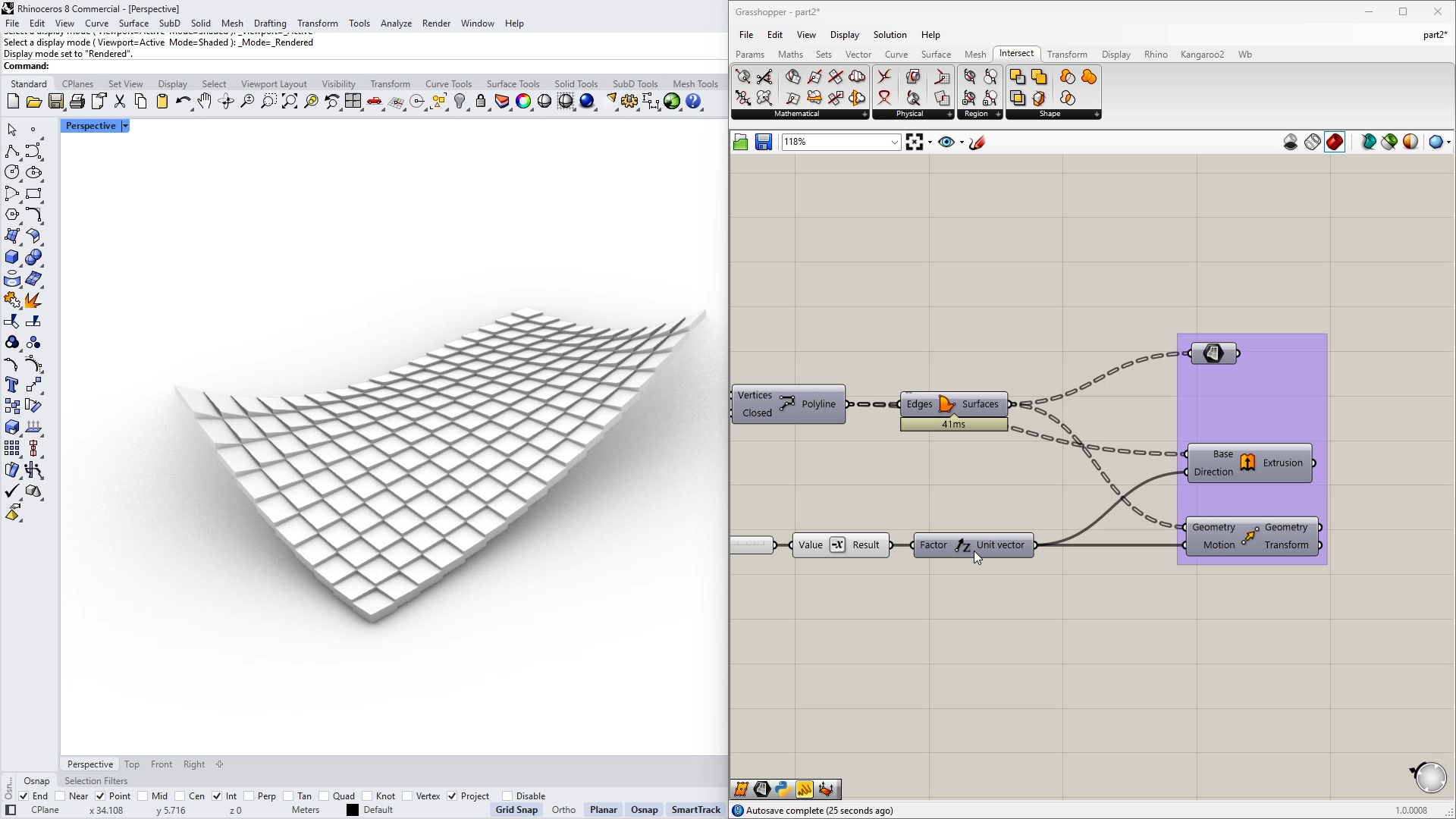
14min 34seg3.- Creating the Roof Panels
22min 22seg